
I’ve flipped a lot of bad burgers to get here. Dry ones, blown-out ones, ones I pressed flat with a spatula because I thought that’s what you were supposed to do (you’re not). Somewhere along the way — after enough hockey pucks and enough good ones to notice the difference — the pattern became obvious. A great BBQ burger isn’t about a secret ingredient. It’s about a handful of decisions, made in the right order, that most people get backwards.
So let’s fix that. Here’s everything that actually matters, in the order it actually matters.
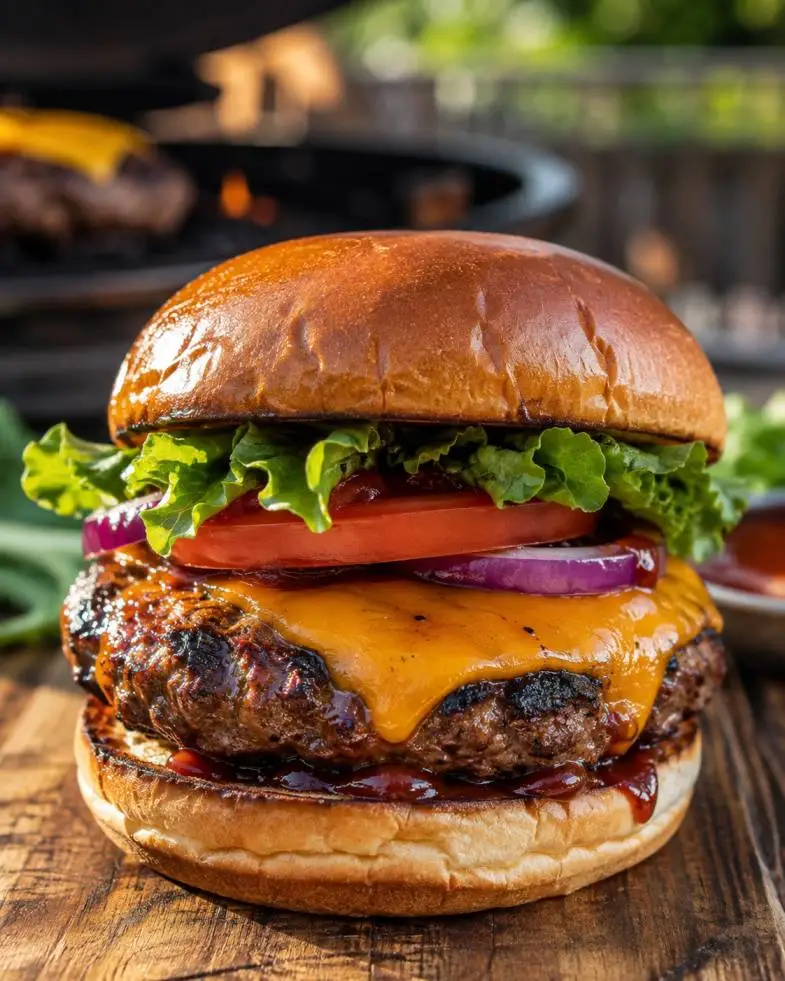
Key Takeaways
- An 80/20 lean-to-fat ratio is the sweet spot — enough fat to stay juicy, not so much it flares your grill into oblivion.
- Never press your patties. That hiss you hear is flavor leaving the building.
- The 5-6-7 rule (5 min, 6 min, 7 min rest) gets you a reliable medium burger without a thermometer.
- Grill with the lid closed for even, controlled cooking.
- Season the outside, not the inside — overworking the meat is the enemy of texture.
What Actually Goes Into a Great BBQ Burger Patty
Here’s the thing about burger patties: the ingredient list is short, and that’s the point. The best burger I ever grilled had exactly three things in it — ground beef, salt, and pepper. No egg, no breadcrumbs, no Worcestershire sauce hiding in there. Those are meatloaf ingredients, and a burger is not a meatloaf.
The one number that actually matters is the fat ratio. An 80/20 blend — 80% lean, 20% fat — is the standard for a reason. Go leaner and you’ll end up with a burger that tastes like sadness. Go fattier and you’re basically grilling a grease fire. Ground chuck usually lands right in this zone, which is why it’s the go-to cut for burgers among people who grill for a living.
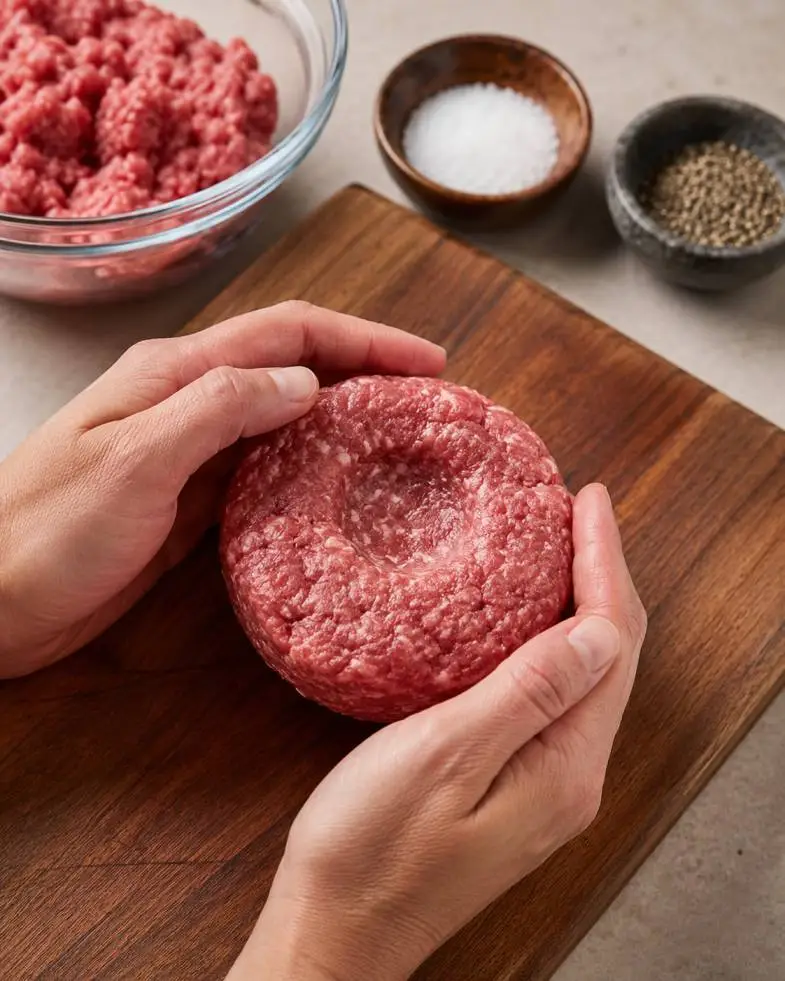
Form your patties gently. Divide, shape, and stop. Overworking the meat squeezes out the fat before it ever hits the grill, and that’s how you end up with a dense, dry puck instead of something with a little give to it. One trick that’s genuinely useful here: press a shallow dimple into the center of each patty with your thumb before it goes on the grill. Burgers puff up as they cook, and that dimple keeps them from turning into little meatballs.
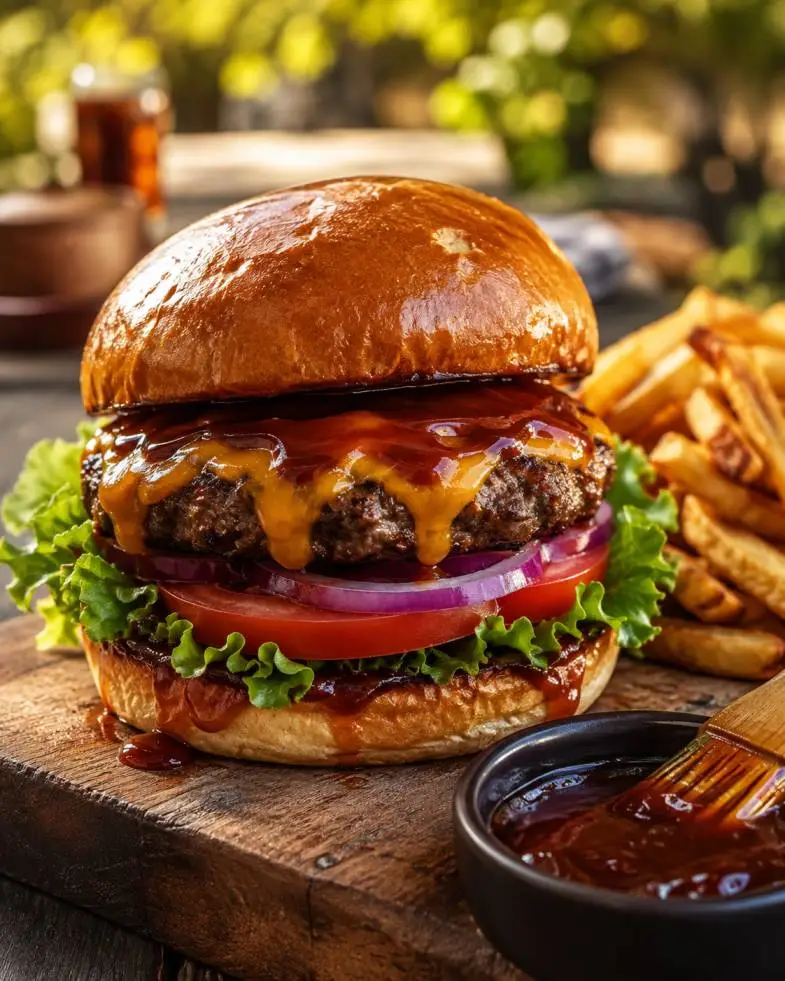
Want to build a proper cheeseburger on top of that foundation? Keep it simple and let the beef lead — a slice of sharp cheddar, crisp lettuce, ripe tomato, red onion, and a smear of something with a little tang, whether that’s a classic BBQ sauce or just good mustard. If you’re chasing the flavor Gordon Ramsay-style chefs go for, the trend is the same: fewer, better ingredients, seasoned hard on the outside of the patty right before it hits the heat, not mixed in.
Timing Is Everything: The 5-6-7 Rule, Explained Properly
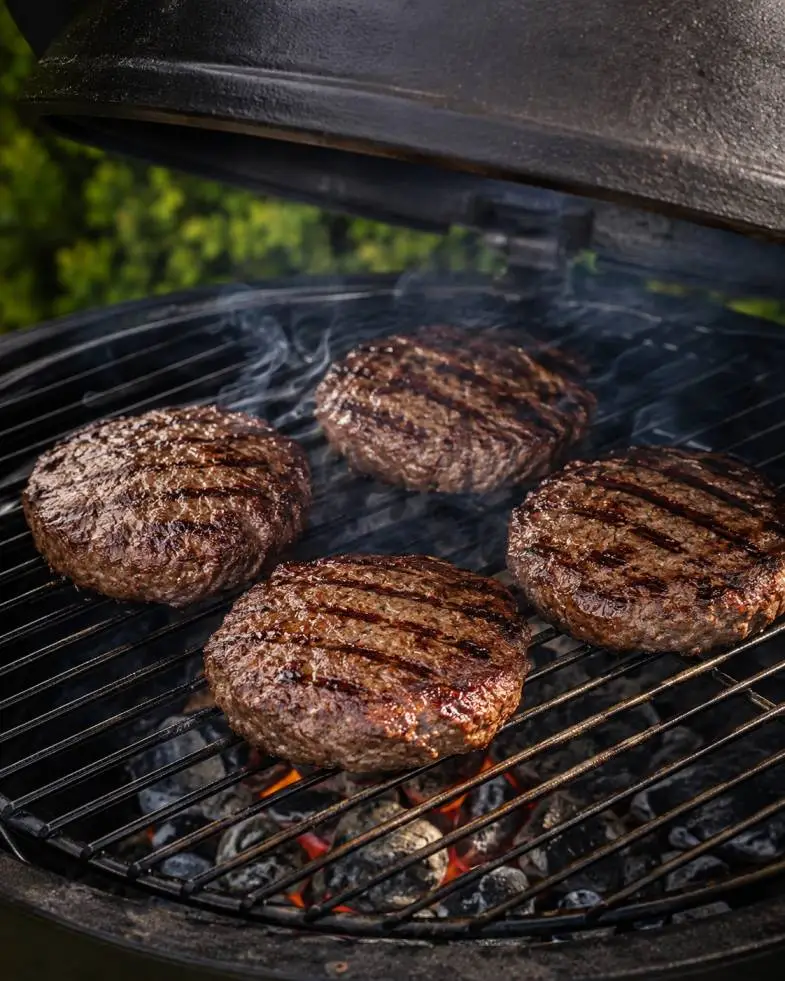
You’ve probably heard grillers throw around “the 5-6-7 rule” like it’s some kind of secret handshake. It’s not complicated, and it works. Grill expert David “Chef Fig” Figueroa popularized the version that’s become the standard: five minutes on the first side, six on the second, then seven minutes resting off the heat before anyone cuts into it. For a half-inch-thick patty over medium heat with the lid down, that timing lands you at a solid medium — juicy, cooked through, no thermometer required.
That resting period isn’t optional, by the way. It’s doing real work. Pull a burger straight off the grill and slice in, and you’ll watch all that flavor run out onto the plate. Give it seven minutes and the juices redistribute back through the meat instead of escaping the second you take a bite. If you want a number to back it up, aim for an internal temperature between 140–145°F for medium — a cheap instant-read thermometer removes all the guesswork if you’d rather not rely on the clock alone.
A few other timing questions worth settling once and for all:
Lid open or closed? Closed, almost always. A closed lid turns your grill into an oven, circulating heat evenly around the patty instead of just charring the bottom. Leave it open only if you’re specifically going for a fast, high-heat sear on a smash burger.
How many times should you flip? Once. That’s it. Every extra flip is a chance to break the crust you’re trying to build and dry out the meat. Set a timer, walk away, flip once, done.
The ice cube trick — is it real? It sounds like a kitchen myth, but there’s logic behind it. Some grillers press a small ice cube into the center of a thick patty before cooking. As it melts, it keeps the core moist during the longer cook time a thicker burger needs, buying you extra insurance against drying out in the middle before the outside is done. It’s not essential if your ratio and timing are already solid, but it’s a legitimate backup for thick patties.
Grilling low and slow at 225°F? That’s smoking territory more than grilling — expect closer to 45 minutes to an hour depending on thickness, checking temperature rather than the clock. It’s a different technique with a different payoff: more smoke flavor, less char, and it rewards patience over speed.
The Easiest Route to a Genuinely Good BBQ Burger
If you’re newer to grilling, ignore anyone making this sound complicated. Here’s the whole process, stripped down to what actually matters:
- Buy 80/20 ground chuck. Don’t overthink it.
- Form patties gently — about ¾ inch thick, with that thumb dimple in the center.
- Season generously with salt and pepper right before grilling, not before.
- Preheat your grill to medium heat, lid closed.
- Follow 5-6-7: five minutes, flip once, six minutes, then rest for seven.
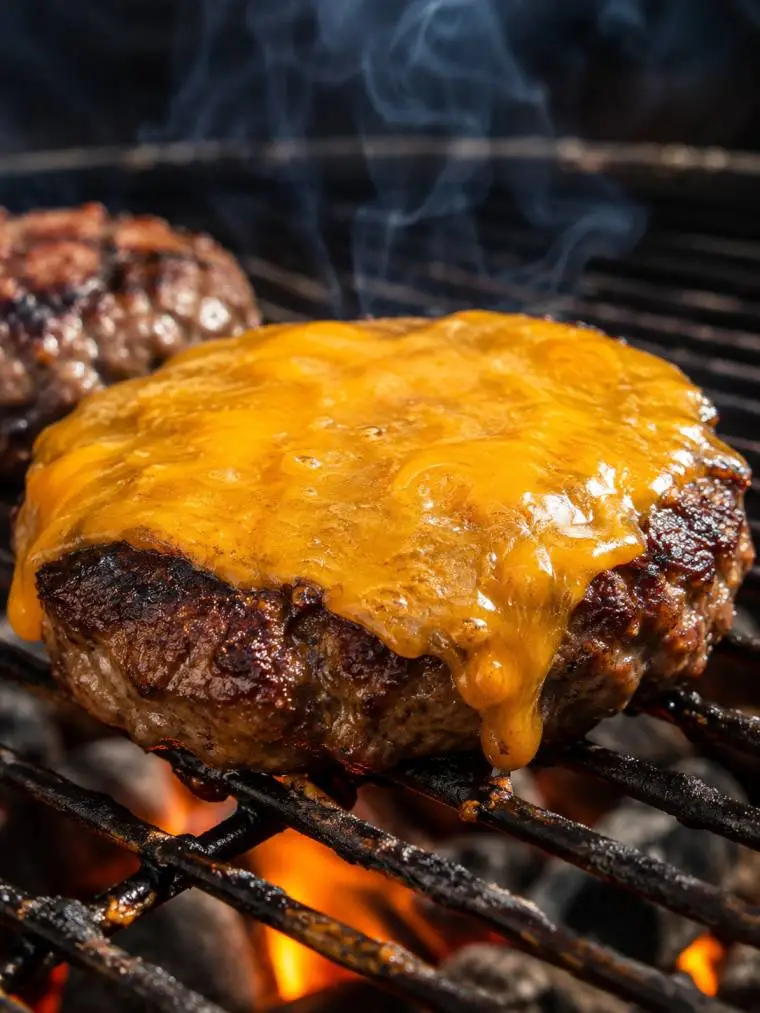
- Add cheese in the last minute of cooking so it melts properly instead of sitting on top like a cold slice.
That’s it. That’s the whole “easy recipe” everyone’s searching for. The truth about barbecue is that the fanciest technique in the world can’t save a bad ratio, and a great ratio barely needs technique at all. Most of what separates a forgettable burger from a great one happens before the patty ever touches the grate.
The Mistakes That Quietly Ruin Good Beef
You can do everything else right and still sabotage your burger with one bad habit. Here are the ones that get people every time.
Pressing the patty with your spatula. I mentioned this already, but it deserves its own paragraph because it’s the single most common mistake at every backyard cookout. That satisfying sizzle when you press down? That’s juice — the exact thing you spent good money on — dripping straight into the flames. Resist the urge. Your burger will thank you.
Skipping the oil. A light coat of oil on the patty (not the grates) before it goes on helps prevent sticking and encourages a better crust. It doesn’t take much — just enough to keep the surface from tearing when you flip.
Not accounting for indoor cooking. No grill? A cast-iron skillet gets you shockingly close to the same result. Shave a minute or two off each side since the heat transfer is more direct and consistent than an open flame, and you’ll still get a proper crust — arguably a better one, since a flat pan sears more evenly than open grates.
Treating every burger like a smash burger. Smash burgers and grilled burgers are different animals with different goals. One chases a thin, maximally-seared crust with high heat and constant contact. The other chases a thick, juicy interior with patience and a closed lid. Trying to do both at once is how you end up with a burger that’s somehow both overcooked and underwhelming.
Put It All Together
None of this is complicated once you see the pattern: good ratio, gentle handling, closed lid, one flip, real rest time. That’s the whole system — the difference between a burger people politely eat and one they ask you how you made. The 5-6-7 rule isn’t a gimmick, the resting period isn’t optional, and pressing down on your patty is doing nothing but wasting good beef.
Fire up the grill this weekend and run through it once, deliberately. Pay attention to what changes. You’ll notice it in the first bite.
Got a technique that’s earned a permanent spot in your grilling routine? Drop it in the comments — the best tips in this guide came from grillers who were generous enough to share what actually works for them.